

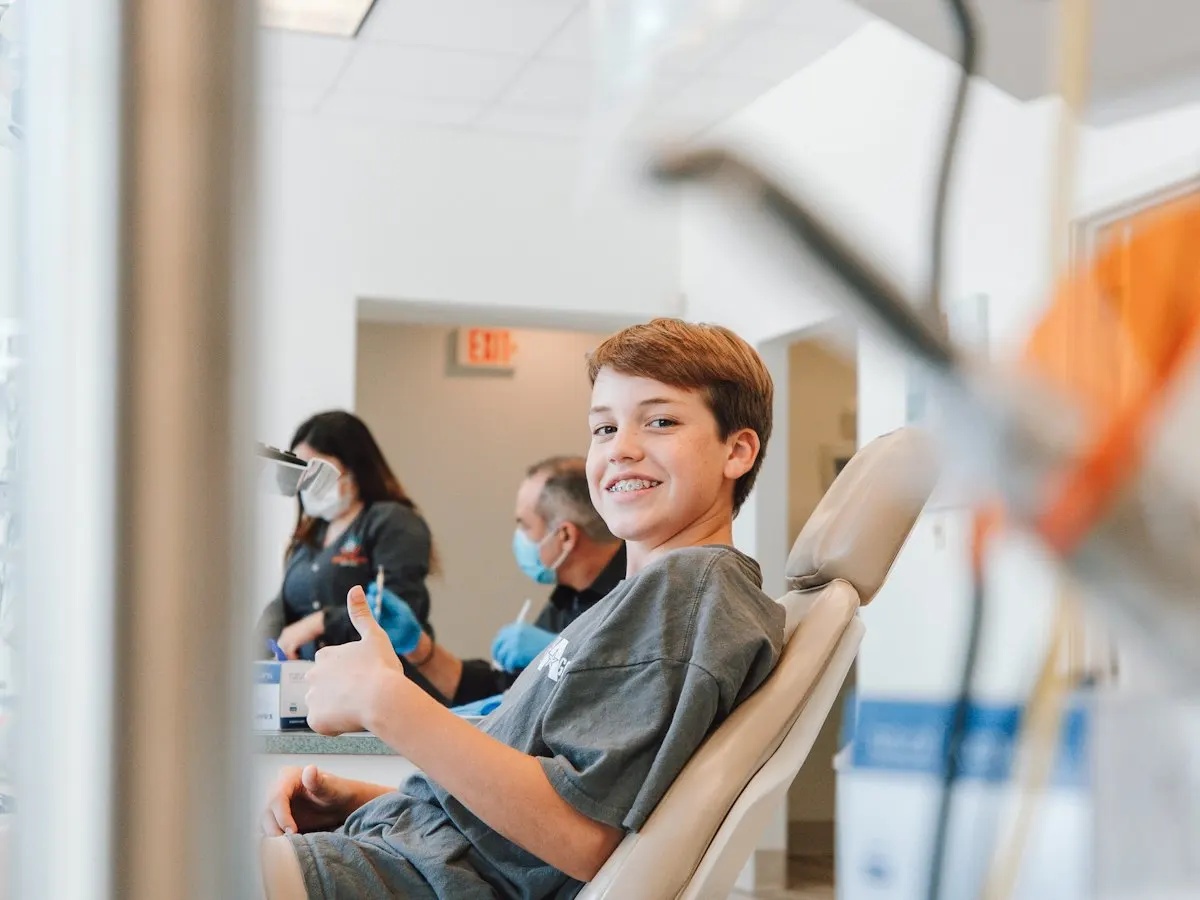
A child's first trip to the dentist is a big milestone, and it often comes sooner than parents expect. Starting early helps protect baby teeth, catches problems while they are small and, just as importantly, helps your child learn that the dentist is a friendly place. Here is when to schedule your child's first dental visit, what happens during the appointment and how to prepare.
When should a child first see the dentist?
The American Dental Association and the American Academy of Pediatric Dentistry recommend that children see a dentist by their first birthday, or within six months after the first tooth appears, whichever comes first.
That may sound early, but cavities can start as soon as teeth come in. Baby teeth matter: they help your child chew, speak clearly and hold space for the adult teeth that come in later. Losing baby teeth early to decay can lead to crowding and other problems down the road.
What happens at a first dental visit?
A first visit is short, gentle and mostly about getting comfortable. For very young children, the exam is often done "knee to knee," with your child sitting on your lap. Your dentist will typically:
- Look at your child's teeth, gums, jaw and bite
- Check for early signs of tooth decay
- Gently clean the teeth if needed
- Talk with you about brushing, fluoride, teething, thumb-sucking and pacifiers
- Answer your questions about diet and bottle or sippy-cup habits
X-rays are not usually needed at a first visit for a toddler. When they are needed later, modern digital X-rays use very low levels of radiation.
How to prepare your child
- Keep it positive. Talk about the dentist as a friendly helper who counts and cleans teeth. Avoid words like "hurt," "shot" or "drill."
- Read or play pretend. Picture books about the dentist, or taking turns counting each other's teeth with a toothbrush, make the visit feel familiar.
- Pick a good time. Morning appointments, or times after a nap, usually work best for little ones.
- Stay calm yourself. Children pick up on your feelings. If you feel nervous about the dentist, try not to share it in front of your child.
- Bring a comfort item. A favorite stuffed animal or blanket can help your child feel secure.
Protecting your child's teeth at home
- Before teeth come in, wipe your baby's gums with a soft, damp cloth after feedings.
- Once the first tooth appears, brush twice a day with a soft child's toothbrush and a smear of fluoride toothpaste about the size of a grain of rice. From age three, use a pea-sized amount.
- Do not put your baby to bed with a bottle of milk, formula or juice. The sugars sit on the teeth overnight and can cause decay.
- Limit sugary snacks and drinks, and offer water between meals.
- Help with brushing until your child can do it well on their own, usually around age seven or eight.
Preventive treatments for growing smiles
As your child grows, your dentist may recommend simple treatments that help prevent cavities:
- Fluoride treatment: a quick, painless varnish that strengthens enamel.
- Dental sealants: a thin protective coating painted onto the chewing surfaces of back teeth, where most cavities in children start.
- Sports mouth guards for kids who play contact sports.
How often should children see the dentist?
Most children should have a checkup and cleaning every six months. Some kids with a higher risk of cavities may need more frequent visits. Read more in our guide: How often should you get a dental checkup?
Family dentistry in Temple, TX
At Care Dental Spa, we care for patients of all ages, from first visits to grandparents, so the whole family can see the same trusted team. We also welcome children with special healthcare needs and take extra time to make each visit comfortable. Learn about our special needs dentistry and our dental cleanings and exams.
Ready to schedule your little one's first visit? Call 254-773-0055 or request an appointment online.
Frequently asked questions
What age should a child first go to the dentist?
By their first birthday, or within six months of the first tooth coming in, whichever happens first.
Are baby teeth really that important?
Yes. Baby teeth help children chew, speak and smile with confidence, and they hold space for permanent teeth. Decay in baby teeth can cause pain and infection and affect how adult teeth come in.
Can I stay with my child during the visit?
Yes. For young children, parents are encouraged to stay close, and toddlers are often examined while sitting on a parent's lap.
This article is for general information and is not a substitute for a dental exam. For advice about your own teeth, call us at 254-773-0055.