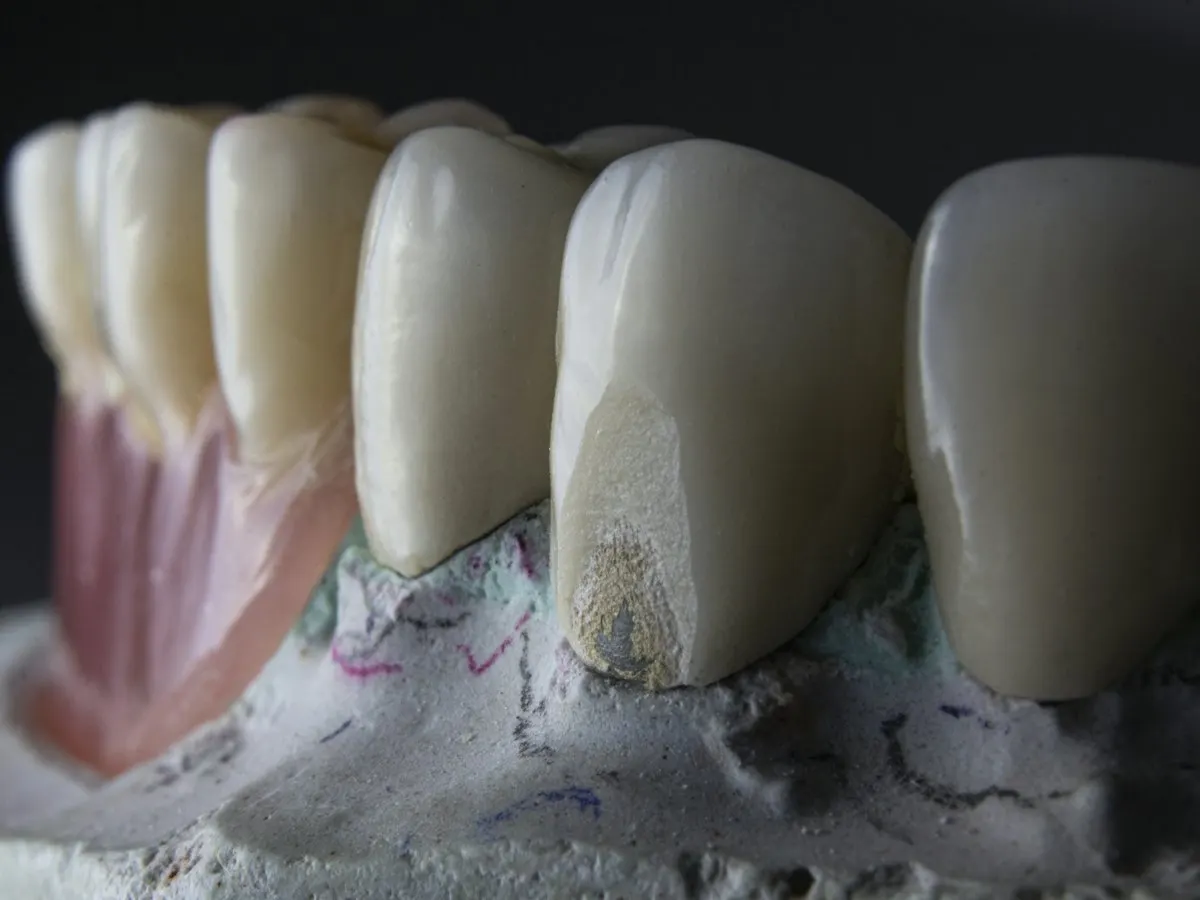


When a tooth is badly decayed, cracked or infected, you usually have two choices: save it with a root canal or remove it with a tooth extraction. Pulling the tooth can sound quicker and cheaper, but the right answer depends on the tooth, your health and your long-term goals.
Here is a clear, side-by-side look at root canal vs. extraction to help you understand your options before you talk with your dentist.
What is a root canal?
Inside every tooth is soft tissue called the pulp, which contains nerves and blood vessels. When deep decay, a crack or an injury lets bacteria reach the pulp, it can become inflamed or infected. This often causes a throbbing toothache, sensitivity to hot or cold that lingers, swelling or a pimple-like bump on the gum.
During root canal therapy, the dentist numbs the tooth, removes the infected pulp, cleans and disinfects the inside of the tooth, and seals it. Most back teeth then receive a dental crown to protect them from breaking.
Despite its reputation, a modern root canal feels much like getting a filling. The treatment is designed to relieve pain, not cause it.
What is a tooth extraction?
A tooth extraction removes the entire tooth from its socket. Simple extractions are done with local anesthetic; more complex cases, such as broken teeth or impacted wisdom teeth, may involve a small surgical procedure. Sedation can be used for comfort.
Root canal vs. extraction: side by side
| Root canal | Extraction | |
|---|---|---|
| Keeps your natural tooth | Yes | No |
| Typical visits | One or two, plus a visit for the crown | Usually one |
| Recovery | Mild tenderness for a few days | Socket healing over one to two weeks |
| Effect on nearby teeth | None; your bite stays the same | Neighboring teeth can shift into the gap over time |
| Long-term cost | Root canal plus crown | Lower at first, but replacing the tooth with an implant or bridge adds cost |
Why saving your natural tooth is usually best
Dentists generally recommend keeping your natural tooth whenever it can be saved predictably. A natural tooth helps you chew comfortably, keeps nearby teeth from drifting, and maintains the bone in your jaw. With a crown and good home care, a tooth treated with a root canal can last for many years, often a lifetime.
When a tooth is removed and not replaced, the bone in that area slowly shrinks, and the teeth on either side can tip toward the space. This can affect your bite and make the area harder to clean. That is why an extraction is often followed by a replacement such as a dental implant, a dental bridge or a partial denture.
When extraction may be the better choice
Sometimes saving a tooth is not realistic. An extraction may be recommended when:
- The tooth is cracked below the gum line or split down the root
- There is not enough healthy tooth left to support a crown
- Advanced gum disease has destroyed much of the bone around the tooth
- The tooth is a wisdom tooth that is impacted or repeatedly infected
- Extra teeth need to be removed as part of orthodontic treatment
Your dentist will use an exam and digital X-rays to see the roots and surrounding bone before recommending a treatment.
Do not wait if a tooth hurts
An infected tooth will not heal on its own. Waiting can allow the infection to spread, and a tooth that could have been saved may end up needing to come out. If you have a severe toothache, swelling or a bad taste in your mouth, call us. We offer same-day emergency dental care whenever possible.
Root canals and extractions in Temple, TX
Dr. Quang Luong provides both root canal therapy and tooth extractions at Care Dental Spa, and IV sedation is available for patients who feel anxious. He will explain your options honestly, including the pros, cons and costs of each, so you can make the choice that is right for you.
Call 254-773-0055 or request an appointment to have your tooth evaluated.
Frequently asked questions
Is it better to get a root canal or pull the tooth?
If the tooth can be saved predictably, a root canal is usually the better long-term choice because it keeps your natural tooth and your bite. An extraction may be best when the tooth is too damaged to restore.
Is a root canal painful?
With modern anesthetic, a root canal typically feels similar to having a filling. Most patients say it relieves the pain they had before treatment. Mild tenderness for a few days afterward is normal.
Do I need a crown after a root canal?
Most back teeth need a crown after a root canal because the tooth can become more brittle. A crown protects it from cracking. Front teeth sometimes only need a filling.
What happens if I get a tooth pulled and do not replace it?
Over time, the jawbone in that area can shrink and nearby teeth may shift into the gap, which can change your bite. Replacing the tooth with an implant, bridge or partial denture helps prevent these problems.
This article is for general information and is not a substitute for a dental exam. For advice about your own teeth, call us at 254-773-0055.