
Wisdom Tooth Pain: Causes, Home Relief and When to Get Them Removed

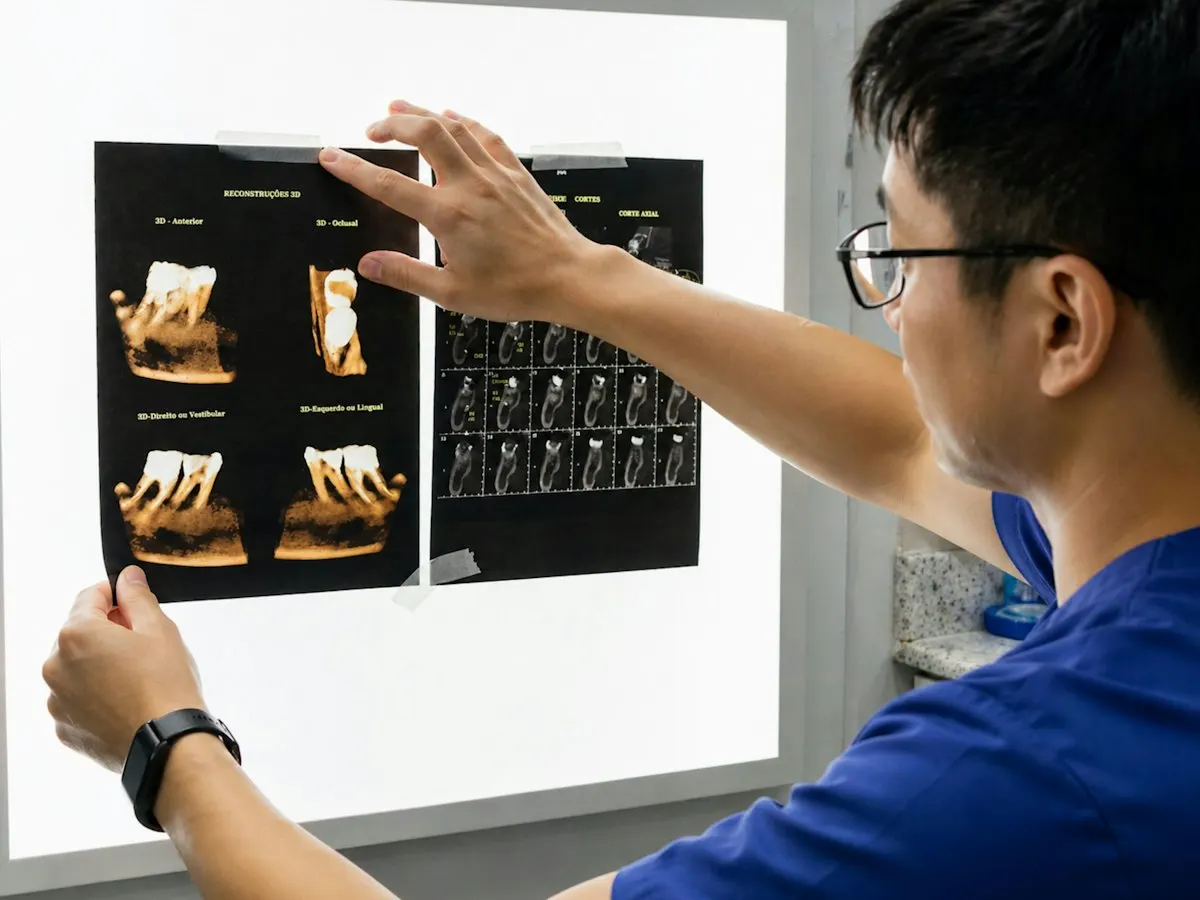
Wisdom teeth are the last teeth to come in, usually between the late teens and mid-twenties. For some people they arrive without trouble. For many others, they cause pain, swelling and infection because there simply is not enough room in the jaw. If you are dealing with wisdom tooth pain, here is what is likely causing it, how to get relief at home and when it is time to see a dentist.
What causes wisdom tooth pain?
Impacted wisdom teeth
A wisdom tooth is "impacted" when it cannot fully come through the gum, often because it is blocked by the tooth in front of it or growing in at an angle. Impacted teeth can press on neighboring teeth and cause aching in the jaw, ear or head.
Pericoronitis (gum infection)
When a wisdom tooth only partly breaks through, a flap of gum can cover part of it. Food and bacteria get trapped underneath, leading to a painful infection called pericoronitis. Signs include swollen, tender gums at the back of the mouth, a bad taste and difficulty opening your mouth.
Decay and gum disease
Wisdom teeth are hard to reach with a toothbrush, so they are prone to cavities. They can also trap plaque against the second molar, putting that healthy tooth at risk too.
Crowding and cysts
Less commonly, a wisdom tooth can contribute to crowding or develop a fluid-filled sac (cyst) around it, which can damage the jawbone if left untreated.
Common symptoms
- Pain or tenderness at the very back of the mouth
- Red, swollen gums behind your last molar
- Jaw pain or stiffness, or trouble opening your mouth
- Bad breath or an unpleasant taste
- Pain that spreads to the ear or causes headaches
How to relieve wisdom tooth pain at home
These steps can ease discomfort until you can see a dentist. They do not fix the underlying cause.
- Rinse with warm salt water (half a teaspoon of salt in a glass of warm water) several times a day to help clean the area.
- Take an over-the-counter pain reliever, such as ibuprofen or acetaminophen, following the directions on the package.
- Apply a cold compress to the outside of your cheek for 15 minutes at a time to reduce swelling.
- Keep the area clean by brushing gently around the tooth.
- Stick to soft foods and chew on the other side of your mouth.
Do not place aspirin directly on your gums, as it can burn the tissue.
When to see a dentist right away
Call a dentist promptly if you have:
- Swelling in your face, jaw or neck
- A fever along with tooth or jaw pain
- Difficulty opening your mouth or swallowing
- Pain that keeps getting worse or does not improve within a day or two
- Pus or a persistent bad taste
These can be signs of infection. If you have trouble breathing or swallowing, seek emergency medical care immediately. For urgent dental pain, our team offers same-day emergency dental care whenever possible.
Do wisdom teeth always need to come out?
Not always. Wisdom teeth that are fully erupted, healthy, positioned correctly and easy to clean may not need treatment. Your dentist will use an exam and X-rays to see their position, roots and the surrounding bone, then explain whether removal makes sense now, later or not at all.
Removal is often recommended when wisdom teeth are impacted, repeatedly infected, decayed, damaging nearby teeth or associated with a cyst. Removing problem wisdom teeth in the late teens or early twenties often means easier healing, because the roots are not fully formed and the bone is less dense.
What wisdom teeth removal is like
The area is fully numbed before treatment, and sedation dentistry, including IV sedation, is available so you can relax through the procedure. Most people take it easy for a few days afterward. Swelling usually peaks around the second or third day and then improves. You will receive clear aftercare instructions, such as eating soft foods and avoiding straws and smoking while the sockets heal.
Wisdom teeth removal in Temple, TX
Dr. Quang Luong provides wisdom teeth removal at Care Dental Spa and is pursuing advanced studies in wisdom teeth extraction. With IV sedation available in our office, many patients can have their wisdom teeth removed comfortably without being referred elsewhere.
If your wisdom teeth hurt, call 254-773-0055 or request an appointment.
Frequently asked questions
How long does wisdom tooth pain last?
Pain from a wisdom tooth coming in may come and go over days or weeks. Pain from an infection usually continues or gets worse until it is treated, so see a dentist if it lasts more than a day or two.
Can a wisdom tooth infection go away on its own?
Rinsing may ease symptoms briefly, but an infection usually returns unless the cause is treated. A dentist can clean the area, prescribe medication if needed and discuss whether the tooth should be removed.
Is it better to remove wisdom teeth early?
When wisdom teeth are likely to cause problems, removing them in the late teens or early twenties often leads to an easier recovery. Your dentist will advise you based on X-rays and your symptoms.
This article is for general information and is not a substitute for a dental exam. For advice about your own teeth, call us at 254-773-0055.