
Feeling nervous about the dentist is extremely common. For some people it is a mild uneasy feeling; for others, dental anxiety is strong enough that they skip checkups for years, even when a tooth hurts. The problem is that putting off care usually means small, easy fixes turn into bigger treatments.
The good news: dental anxiety can be managed. Here are eight practical ways to feel calmer, from simple tips you can try before your next visit to sedation options for when you need more help.
Why do people feel anxious about the dentist?
Dental anxiety usually has a clear cause, and knowing yours helps you and your dentist plan around it. Common reasons include:
- A painful or frightening experience in the past, often in childhood
- Fear of needles, drills or the sounds and smells of a dental office
- A strong gag reflex or trouble breathing through the nose
- Feeling a loss of control while lying back in the chair
- Embarrassment about the condition of your teeth after time away from the dentist
Whatever the reason, it is valid, and a caring dental team will never judge you for it.
8 ways to feel calmer at the dentist
1. Tell your dental team how you feel
This is the most important step. When we know you are anxious, we can slow down, explain each step before we do it, and check in with you more often. Mention it when you book your appointment so the whole team is ready.
2. Agree on a stop signal
Raising your left hand is a common signal for "I need a break." Knowing you can pause at any moment gives you back a sense of control, and many patients find they rarely need to use it.
3. Book at a time that suits you
Many anxious patients prefer an early morning appointment, so there is less time to worry during the day. Avoid scheduling right after a stressful event, and give yourself time so you are not rushing.
4. Bring headphones or a comfort item
Music, a podcast or an audiobook can block out dental sounds and give your mind something else to focus on. Some people also find a stress ball or a familiar blanket helps.
5. Try slow breathing
Breathe in through your nose for four counts, hold for a moment, and breathe out slowly through your mouth for six counts. Slow breathing tells your body it is safe and can noticeably lower your heart rate within a minute or two.
6. Ask about the numbing process
Topical numbing gel is applied before most injections, so many patients feel only light pressure. If you have had trouble getting numb in the past, let us know. It helps us choose the right approach for you.
7. Start small
If it has been a long time since your last visit, you do not have to do everything at once. A first appointment can simply be a conversation and a gentle exam. Building trust step by step makes the next visit easier.
8. Ask about sedation dentistry
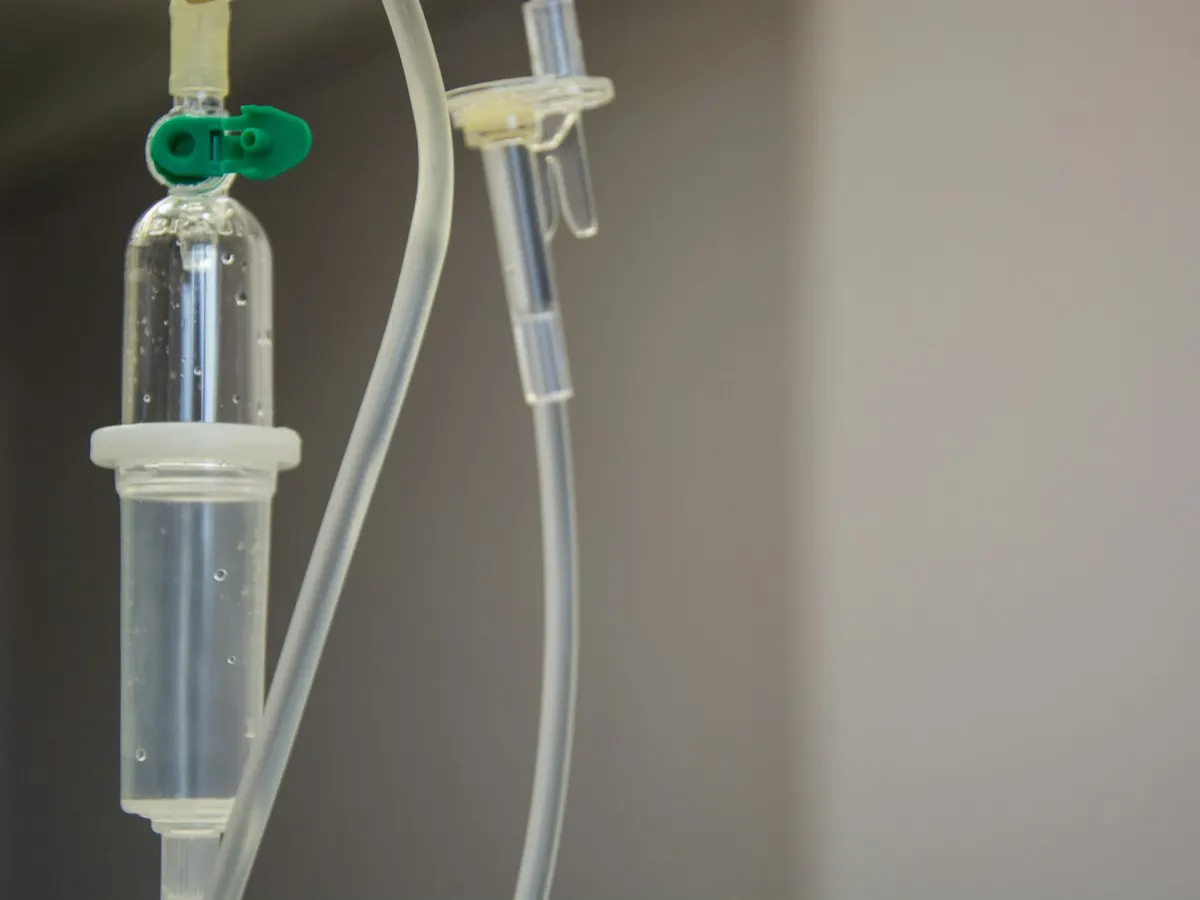
For moderate to severe anxiety, sedation dentistry can make treatment feel calm and easy. Options range from mild nitrous oxide (laughing gas) to IV sedation, which provides a deep level of relaxation. Many patients who receive IV sedation remember very little of their appointment.
How sedation can help you catch up on care
If anxiety has kept you away for a while, you may need several treatments. With sedation, it is often possible to complete more of that work in fewer visits, so you spend less time in the chair overall. Read our guide to IV sedation dentistry to learn how it works and how to prepare.
Gentle, judgment-free dental care in Temple, TX
At Care Dental Spa, we designed our office to feel calm and welcoming, not clinical. Dr. Quang Luong is certified in IV sedation and, as a U.S. Army veteran, understands the fear many patients bring with them, including fellow veterans. We take the time to listen, explain your options and move at your pace.
Take a look around our office tour, then call us at 254-773-0055 or request an appointment. Tell us you feel nervous, and we will take it from there.
Frequently asked questions
Is dental anxiety common?
Yes. Dental anxiety is one of the most common reasons adults delay dental care. You are not alone, and dental teams are used to helping nervous patients feel comfortable.
What is the best sedation for dental anxiety?
It depends on how anxious you feel and the treatment you need. Nitrous oxide works well for mild nerves, while IV sedation is often best for moderate to severe anxiety or longer procedures. Your dentist will review your health history and recommend the safest option.
Will the dentist judge me if I have not been in years?
Not at our office. Our only goal is to help you get healthy and comfortable again. Many of our patients come to us after a long break.
This article is for general information and is not a substitute for a dental exam. For advice about your own teeth, call us at 254-773-0055.